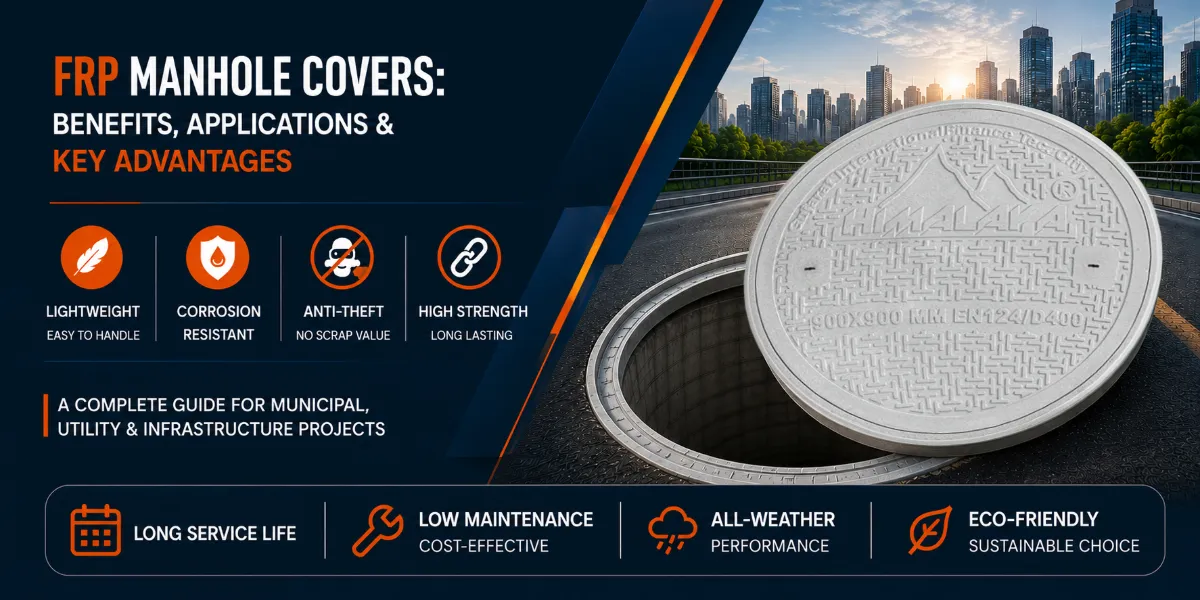
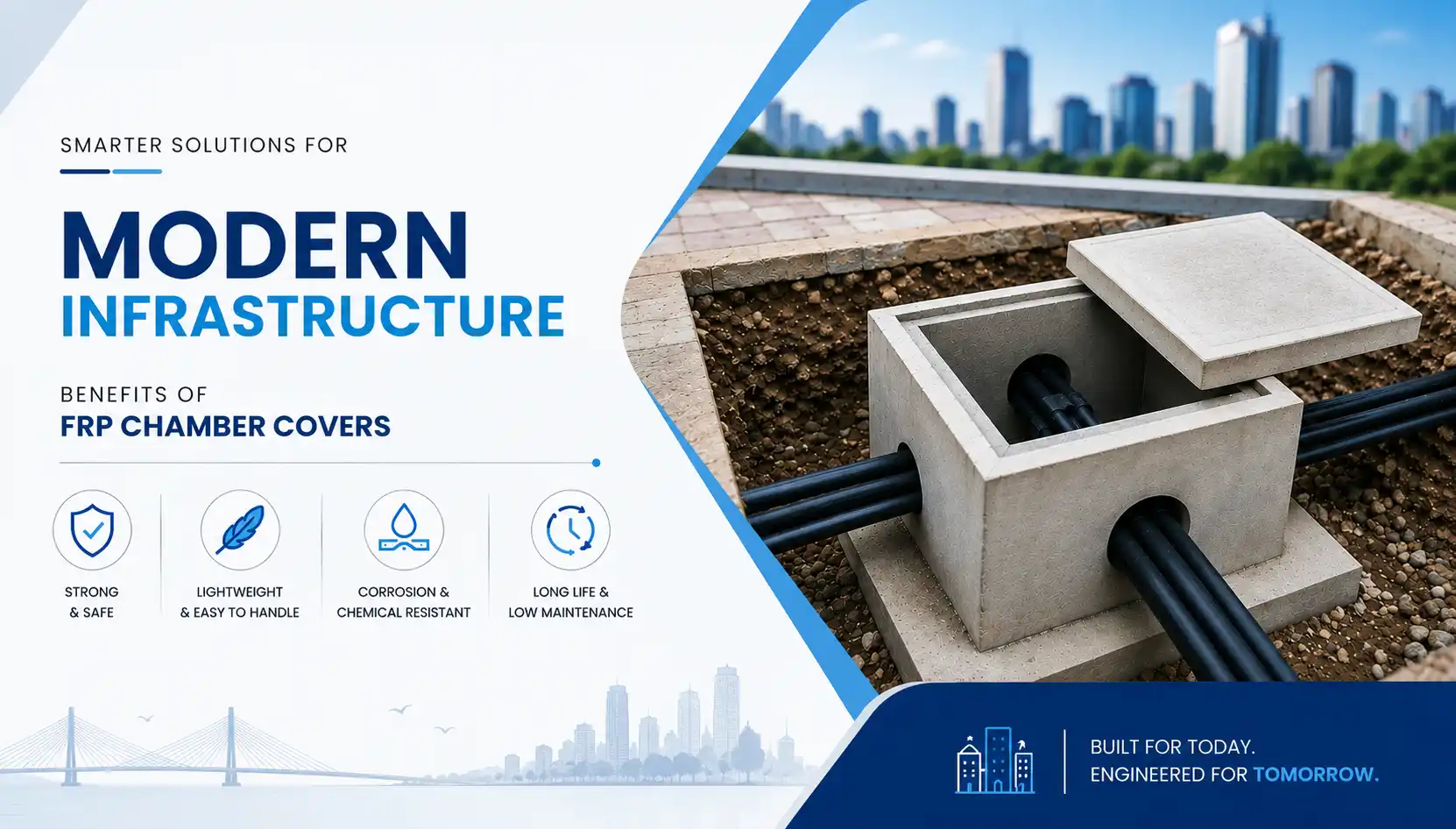
Benefits of FRP Chamber Covers in Modern Infrastructure Projects
Underground chambers play a vital role in protecting utility networks that support modern cities and industrial facilities. These chambers provide access to electrical cables, telecom lines, drainage systems, water pipelines, and other essential services, making durable and reliable chamber covers an important part of every infrastructure project.
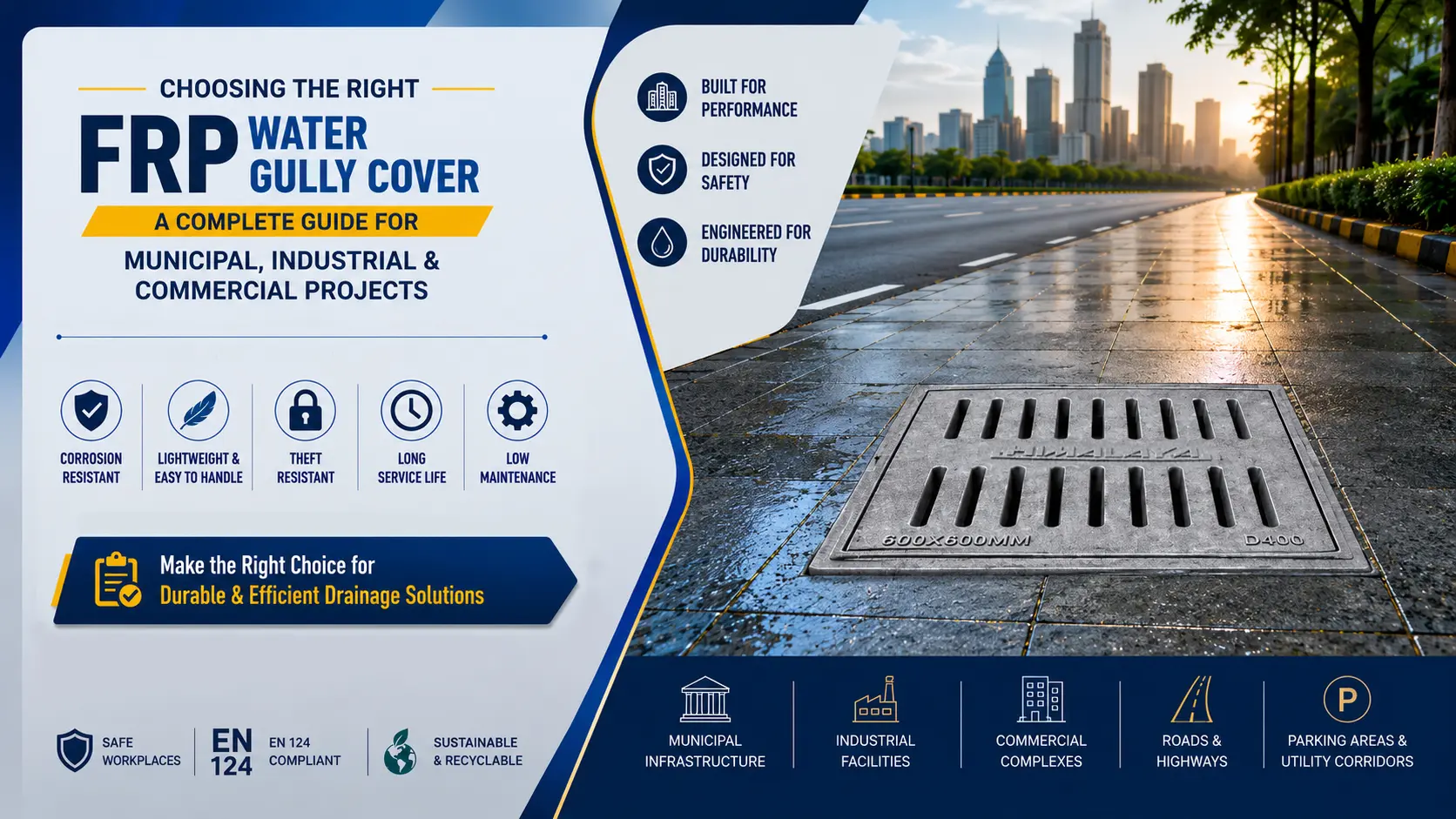
As construction standards continue to evolve, many engineers and contractors are moving away from conventional steel and concrete covers in favour of composite alternatives. An FRP Chamber Cover offers the ideal combination of strength, corrosion resistance, and lightweight handling, making it suitable for a wide range of municipal, commercial, and industrial applications. Unlike traditional materials, FRP remains resistant to moisture, chemicals, and harsh environmental conditions, helping reduce maintenance while extending service life.
This article explores the key benefits of FRP Chamber Covers, their common applications, and the factors that make them a preferred choice for modern infrastructure projects.
Understanding FRP Chamber Covers
An FRP Chamber Cover is a protective access cover manufactured using high-strength Fibre Reinforced Polymer (FRP) or Glass Reinforced Polymer (GRP) composite materials. It is designed to provide secure access to underground utility chambers while protecting electrical, telecom, water supply, and drainage infrastructure from external damage and environmental exposure.
Compared with traditional RCC or steel covers, FRP chamber covers are significantly lighter without compromising structural performance. Their corrosion-resistant properties make them suitable for installations exposed to moisture, chemicals, and changing weather conditions, where conventional materials may deteriorate over time.
Modern FRP Chamber Covers are available in various sizes, load classes, and customised configurations, allowing them to meet the requirements of different infrastructure projects while ensuring reliable long-term performance.
Why FRP Chamber Covers Are Becoming the Preferred Choice
Infrastructure projects today demand products that not only meet performance requirements but also reduce maintenance costs and improve operational efficiency. This is one of the key reasons why FRP Chamber Covers are increasingly replacing conventional chamber covers across multiple industries.
Lightweight Yet Strong
One of the most significant advantages of FRP is its excellent strength-to-weight ratio. Despite being considerably lighter than steel or reinforced concrete, FRP chamber covers are engineered to withstand demanding load conditions, making transportation, installation, and routine maintenance much easier.
Excellent Corrosion Resistance
Underground chambers are often exposed to water, chemicals, humidity, and aggressive environmental conditions. Unlike steel, which can rust over time, FRP composite materials remain corrosion-resistant, making them ideal for long-term outdoor and industrial applications.
Improved Safety
Many FRP Chamber Covers feature anti-slip surface finishes that improve grip for pedestrians and maintenance personnel. Their lightweight construction also reduces manual handling risks during installation or inspection activities.
Reduced Maintenance Requirements
Traditional chamber covers often require regular repairs due to corrosion, cracking, or surface deterioration. FRP products require minimal maintenance, helping infrastructure owners reduce operational costs throughout the product’s lifecycle.
Key Benefits of FRP Chamber Covers
Choosing the right chamber cover directly affects the safety, durability, and maintenance efficiency of underground utility infrastructure. An FRP Chamber Cover offers several practical advantages that contribute to better long-term project performance.
Outstanding Durability
Manufactured from high-quality composite materials, FRP chamber covers maintain their structural integrity even in demanding environments. Their resistance to corrosion, moisture, and chemicals helps extend service life while reducing replacement frequency.
Corrosion-Free Performance
Unlike steel covers that require protective coatings or regular maintenance, FRP remains resistant to rust and chemical attack. This makes it particularly suitable for wastewater treatment facilities, industrial plants, coastal regions, and municipal drainage systems.
Easy Installation
The lightweight design of FRP chamber covers allows workers to transport, position and install them more efficiently than heavy concrete or steel alternatives. Faster installation can also help reduce labour costs and minimise project delays.
Enhanced Worker and Public Safety
An anti-slip surface improves grip during wet weather, reducing the likelihood of slips and falls around utility chambers. The lightweight construction also makes inspection and maintenance activities safer for operational teams.
Low Lifecycle Cost
Although the initial purchase price is an important consideration, the overall lifecycle cost often determines the best long-term investment. The durability and minimal maintenance requirements of FRP chamber covers help reduce operational expenses over many years of service.
Flexible Design Options
Infrastructure projects often require chamber covers in different sizes and load capacities. FRP products can be manufactured in standard or customised dimensions, making them suitable for a wide range of utility applications.
Factors That Make FRP Chamber Covers Suitable for Infrastructure Projects
Infrastructure projects require products that perform consistently under varying environmental and operational conditions. FRP Chamber Covers meet these expectations by offering features that support long-term reliability.
Some of the qualities that make them an ideal choice include:
- Lightweight construction for easier handling and installation.
- Excellent resistance to corrosion and chemical exposure.
- Anti-slip surfaces that improve operational safety.
- High strength suitable for different traffic conditions.
- Reduced maintenance compared with conventional materials.
- Long service life, lowering lifecycle costs.
- Availability in customised sizes to meet project-specific requirements.
These advantages make FRP chamber covers suitable for municipal infrastructure, industrial facilities, commercial developments and utility networks where dependable performance is essential.
Common Applications of FRP Chamber Covers
The versatility of FRP Chamber Covers makes them suitable for a wide range of infrastructure projects. Their lightweight construction, corrosion resistance and long service life allow them to perform reliably in environments where conventional steel or concrete covers may require frequent maintenance.
Some of the most common applications include:
- Electrical Utility Chambers – Protect underground electrical cable junctions while providing safe access for maintenance.
- Telecommunication Networks – Cover telecom chambers and fibre optic cable access points in urban and rural infrastructure.
- Water Supply Systems – Secure access chambers for underground water pipelines and distribution networks.
- Drainage and Sewerage Chambers – Suitable for stormwater and wastewater infrastructure exposed to continuous moisture.
- Industrial Facilities – Ideal for chemical plants, manufacturing units and processing facilities where corrosion resistance is essential.
- Commercial and Residential Developments – Used in housing societies, business parks and commercial complexes for underground utility access.
- Smart City Projects – Installed in modern urban developments requiring durable, low-maintenance infrastructure products.
- Public Infrastructure – Widely used in roads, footpaths, parks and municipal utility networks.
Their adaptability makes FRP Chamber Covers a dependable solution for projects that require long-term safety and performance.
FRP Chamber Cover vs RCC and Steel Chamber Covers
Selecting the right chamber cover involves evaluating performance, durability and maintenance requirements. The table below highlights the differences between FRP, RCC and steel chamber covers.
| Feature | FRP Chamber Cover | Steel Chamber Cover | RCC Chamber Cover |
| Weight | Lightweight | Heavy | Very Heavy |
| Corrosion Resistance | Excellent | Can Rust | Moderate |
| Installation | Quick & Easy | Moderate | Labour Intensive |
| Maintenance | Low | Medium to High | Medium |
| Chemical Resistance | Excellent | Limited | Moderate |
| Anti-Slip Surface | Available | Optional | Limited |
| Theft Risk | Low | High | Low |
| Service Life | Long | Moderate | Moderate |
| Customisation | Easily Available | Limited | Limited |
Although each material has its own applications, FRP Chamber Covers often provide better long-term value because they combine durability, easy handling, and lower maintenance requirements.
Choosing the Right FRP Chamber Cover
Selecting the appropriate FRP Chamber Cover helps ensure reliable performance throughout the lifespan of an infrastructure project. Before making a purchase, consider the following factors.
Determine the Load Requirement
The chamber cover should be selected according to the expected traffic conditions. Areas used by pedestrians, light vehicles, or heavy commercial traffic require different load capacities to ensure safe operation.
Measure the Chamber Dimensions
Accurate measurements are essential for proper installation. Standard sizes are available, while customised dimensions can be manufactured for projects with unique chamber configurations.
Evaluate the Installation Environment
Environmental conditions significantly influence product performance. Infrastructure located in coastal regions, chemical processing facilities, or wastewater systems benefits from corrosion-resistant composite materials.
Prioritise Safety Features
Look for chamber covers with anti-slip surfaces and designs that allow safe handling during maintenance and inspection. These features help improve worker safety while reducing operational risks.
Choose a Trusted Manufacturer
An experienced FRP Products Manufacturer can provide consistent product quality, technical expertise, and customised solutions that meet the specific requirements of infrastructure, municipal, and industrial projects.
Why Choose Himalaya Composites & Precast Pvt. Ltd.?
With more than 22 years of manufacturing experience, Himalaya Composites & Precast Pvt. Ltd. has become a trusted name in FRP/GRP and precast infrastructure products across India.
The company combines advanced manufacturing technology with strict quality control processes to deliver products that meet the performance expectations of modern infrastructure projects.
Why customers choose Himalaya:
- 22+ Years of Industry Experience
- 5,000+ Infrastructure Projects Delivered
- Serving Customers Across 25+ Cities
- 1,99,000+ Sq. Ft. Manufacturing Facility
- ISO 9001:2015 Certified Quality Management System
- BS EN 124:2015 Certified & BIS Licensed Manufacturing
- Custom Sizes and Project-Specific Solutions
- Reliable Pan-India Supply and Delivery
Trusted by organisations such as Reliance, Adani, L&T, Tata Projects, Afcons and leading municipal authorities, Himalaya continues to supply durable infrastructure solutions designed for long-term performance.
Conclusion
Modern infrastructure requires products that deliver dependable performance while reducing maintenance and improving operational safety. FRP Chamber Covers meet these requirements by offering excellent corrosion resistance, lightweight handling, long service life and reliable protection for underground utility networks.
Whether used in municipal infrastructure, industrial facilities, commercial developments or utility networks, investing in the right FRP Chamber Cover helps improve efficiency, reduce lifecycle costs and support long-term infrastructure performance. By partnering with an experienced manufacturer like Himalaya Composites & Precast Pvt. Ltd., project owners can benefit from high-quality products, customised solutions and dependable support for projects across India.
Continue Exploring FRP Infrastructure Solutions
You may also find these blogs useful:
- How FRP Trench Covers Improve Safety and Durability in Infrastructure Projects
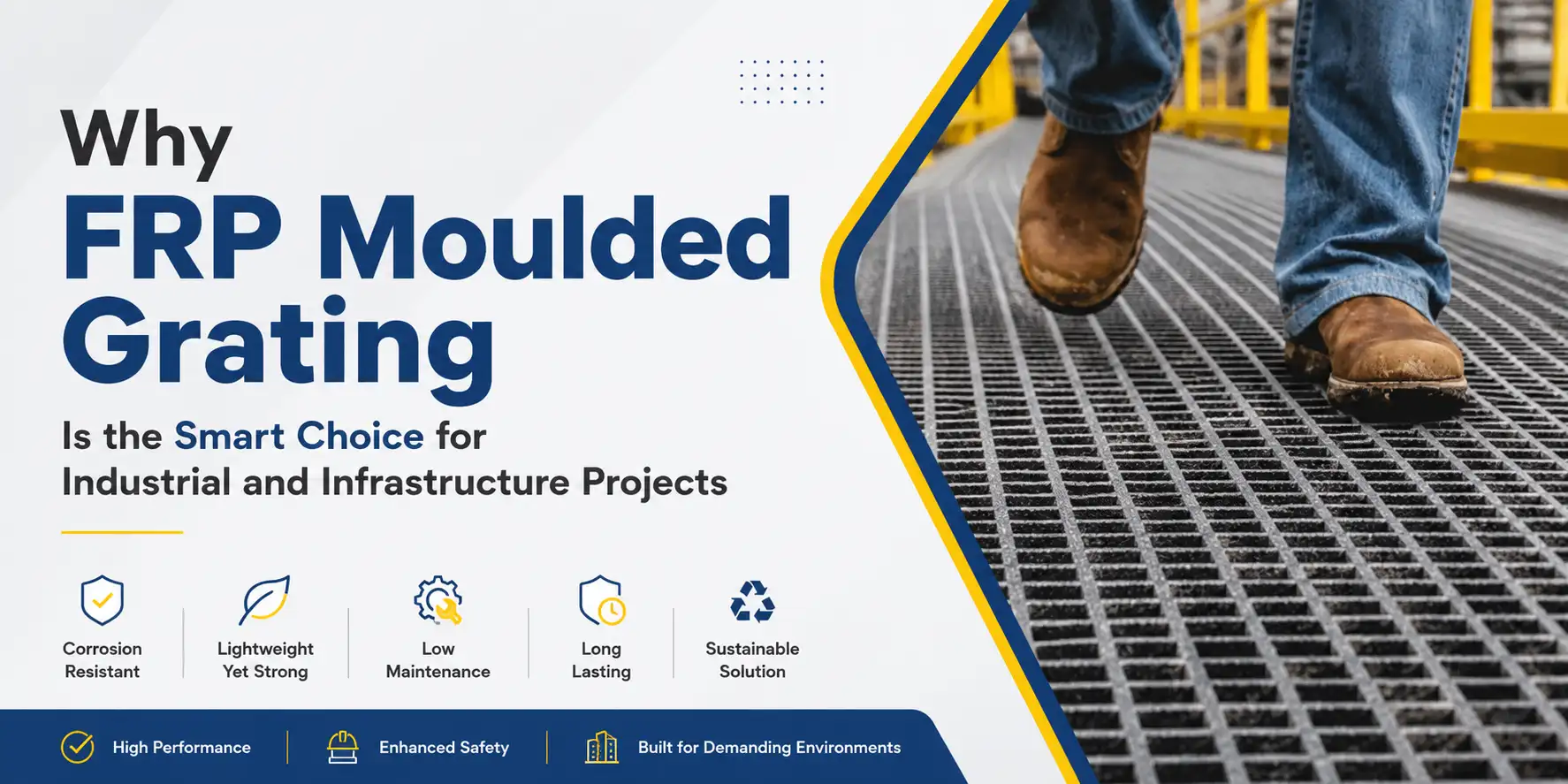
- Why FRP Moulded Grating Is the Smart Choice for Industrial and Infrastructure Projects
- Why FRP Double Seal Manhole Covers Are Essential for Modern Infrastructure
- How to Choose the Right FRP Manhole Cover Manufacturer in India for Infrastructure Projects
Frequently Asked Questions
1. What is an FRP inspection chamber cover?
An FRP inspection chamber cover is a composite access cover designed to protect underground inspection chambers while allowing safe and convenient access for maintenance. It offers excellent corrosion resistance and is lighter than traditional steel or concrete alternatives.
2. Where are utility chamber covers commonly used?
Utility chamber covers are commonly installed in electrical networks, telecom infrastructure, drainage systems, water supply pipelines, industrial facilities, and municipal utility projects where underground services require secure access.
3. What are the advantages of a corrosion-resistant chamber cover?
A corrosion-resistant chamber cover withstands moisture, chemicals, and harsh weather conditions without rusting or deteriorating. This helps reduce maintenance costs and extends the service life of underground infrastructure.
4. Why is a lightweight chamber cover beneficial?
A lightweight chamber cover simplifies transportation, installation, and routine maintenance. It also reduces manual handling effort, improving worker safety and overall project efficiency.
5. Can FRP chamber covers be customised?
Yes. Many manufacturers provide FRP chamber covers in customised sizes, shapes, and load capacities to suit the specific requirements of municipal, commercial, and industrial infrastructure projects.
6. Why choose an experienced FRP products manufacturer?
An experienced FRP Products Manufacturer offers consistent quality, technical support, customised solutions, and reliable manufacturing standards, ensuring products meet the demands of long-term infrastructure applications.