PVC Manhole Access Steps for Underground Utility Chambers
Manholes and underground utility chambers provide essential access to drainage, sewerage, stormwater, and other infrastructure systems. While chamber covers protect the opening at ground level, maintenance personnel also need a practical way to enter and exit deeper chambers when inspection or servicing is required.
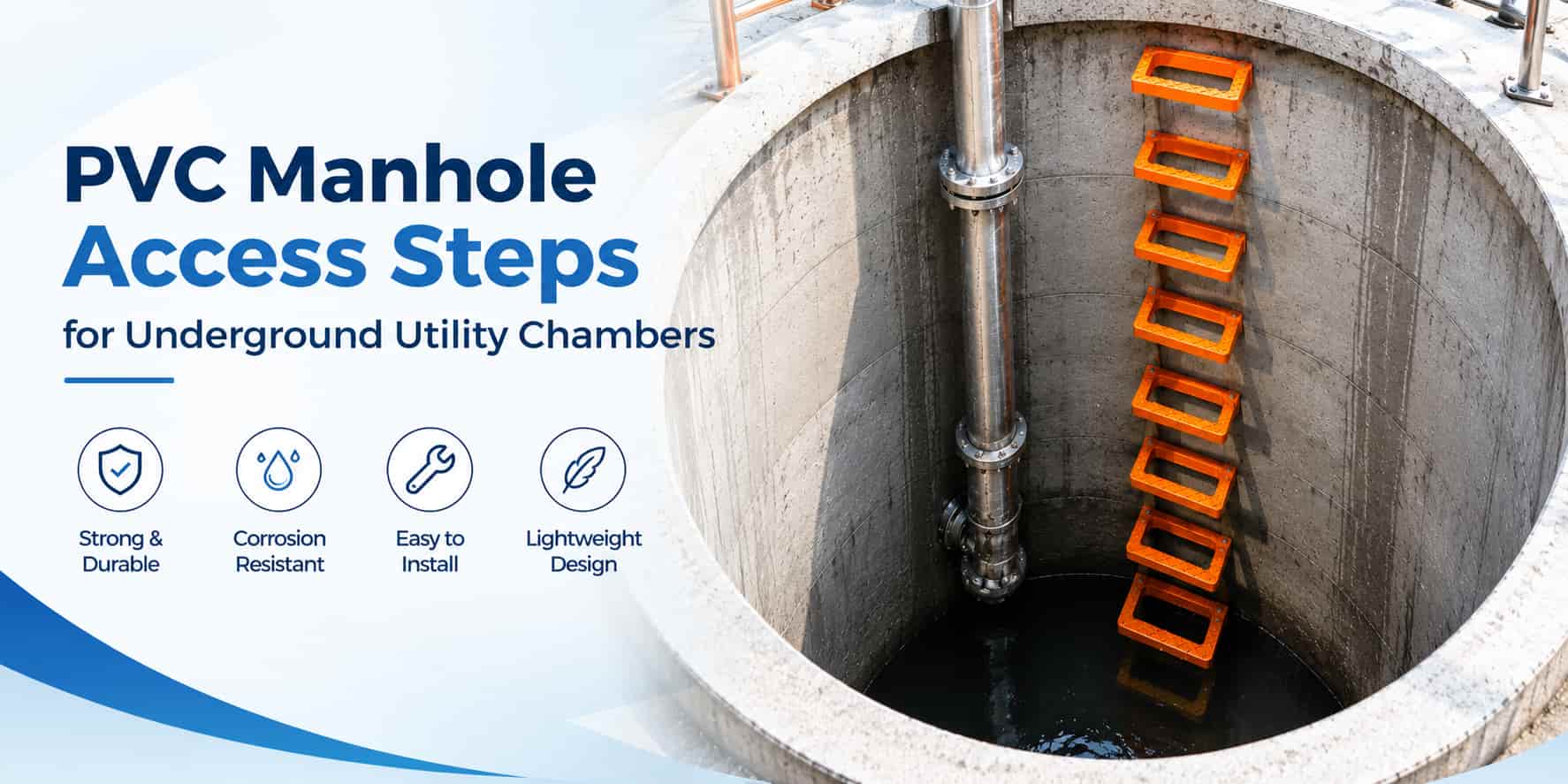
PVC manhole access steps provide fixed stepping points inside suitable underground chambers, helping maintenance personnel enter and exit chambers during inspection and servicing. A PVC Footstep with a steel core and full PVC encapsulation combines structural support with protection for the internal steel in demanding underground environments.
For infrastructure projects, selecting chamber access components should therefore consider safety, corrosion exposure, dimensions, installation requirements, and the environment in which the components will be used.
Why Does Safe Access Matter in Underground Chambers?
Underground chambers may require periodic access for inspection, cleaning, maintenance, and utility work. Depending on the chamber depth and design, personnel may need a series of permanently installed steps to move between ground level and the working area.
Access components can be exposed to moisture and other demanding underground conditions throughout their service life. This makes material selection particularly important.
A suitable Manhole Footstep should provide a consistent stepping point while being appropriate for the chamber environment and installation design.
Footsteps may be incorporated into:
- Sewerage chambers
- Drainage chambers
- Utility chambers
- Inspection chambers
- Stormwater systems
- Pumping stations
The number, spacing, and installation of footsteps should always follow the applicable project and engineering requirements.
Steel Core with PVC Encapsulation
One of the important characteristics of Himalaya’s footsteps is their combined material construction.
The product uses a high-density PVC exterior over a steel core. The steel provides the internal core, while the PVC fully encapsulates it.
This design is particularly relevant in underground environments because exposed metal components may encounter moisture and other potentially corrosive conditions.
Full PVC encapsulation helps isolate the steel core from direct environmental exposure. As a result, the product combines the characteristics of an internal steel component with a corrosion-resistant outer surface.
When evaluating chamber access solutions, project teams should consider both the structural configuration and the protection provided to the internal material rather than selecting a step based only on its external dimensions.
Why Is Corrosion Resistance Important?
Moisture is common in sewerage, drainage and stormwater infrastructure. Depending on the application, underground chambers can remain damp or experience repeated exposure to water.
For this reason, corrosion resistance is an important consideration when selecting access components.
Himalaya’s PVC Footsteps feature full PVC encapsulation over the steel core. This helps protect the steel from direct contact with the surrounding chamber environment.
This characteristic can be particularly relevant for:
- Sewerage systems
- Stormwater chambers
- Drainage infrastructure
- Pumping stations
- Inspection chambers
- Underground utility networks
Material suitability should still be evaluated against the conditions of the specific project.
Anti-Slip Design for Better Footing
Providing a stepping point is only one part of chamber access. The surface of the step is also important.
Himalaya’s footsteps feature a grooved anti-slip surface. The grooves are designed to provide better grip when the step is being used.
This is particularly valuable in underground infrastructure, where surfaces may be exposed to moisture.
Anti-slip characteristics should be considered alongside correct installation and step positioning. A well-designed product cannot compensate for incorrect spacing or unsuitable installation.
Project engineers should therefore consider the complete chamber access arrangement rather than evaluating individual steps in isolation.
Dimensions and Steel Rod Options
Dimensions are important because the step needs to correspond with the chamber design and installation requirements.
Himalaya’s PVC footsteps have a product size of:
265 × 165 × 25 mm
The available steel rod options are:
8 mm, 12 mm and 16 mm
The product has a 150 mm projection.
These specifications allow project teams to evaluate the product against the chamber drawings and access requirements before installation.
Himalaya provides the footsteps in orange and black colour options.
| Specification | Himalaya PVC Footstep |
| Outer Material | High-density PVC |
| Internal Core | Steel |
| Product Size | 265 × 165 × 25 mm |
| Steel Rod Options | 8, 12, 16 mm |
| Projection | 150 mm |
| Surface | Grooved anti-slip |
| Steel Protection | Full PVC encapsulation |
| Colours | Orange, Black |
Project specifications should determine which configuration is appropriate for a particular chamber.
Where Can Chamber Footsteps Be Used?
Different underground infrastructure systems require inspection and maintenance access. Fixed footsteps can form part of that access arrangement where specified by the project design.
Sewerage Infrastructure
Sewer chambers require access for inspection, cleaning, and maintenance. Corrosion-resistant access components can be beneficial because these chambers operate in demanding underground environments.
Drainage Chambers
Drainage networks often include inspection points where maintenance teams need access to underground systems. Fixed Manhole Steps can support chamber entry where required by the design.
Stormwater Systems
Stormwater chambers may experience repeated water and moisture exposure. Full PVC encapsulation makes corrosion resistance an important characteristic for these environments.
Utility and Inspection Chambers
Underground utility systems frequently include chambers for inspection and maintenance. Appropriate steps can provide organised access where the chamber depth requires them.
Pumping Stations
Pumping infrastructure may also require access to below-ground areas for inspection and servicing. The access arrangement should correspond with the dimensions and requirements of the installation.
What Should You Check Before Selecting Chamber Access Steps?
Selecting Utility Chamber Steps should involve more than comparing product prices.
Material Construction
Understand both the external material and the internal construction. Himalaya’s product combines high-density PVC with a steel core.
Corrosion Protection
For underground environments exposed to moisture, consider how the internal metal component is protected. Full PVC encapsulation provides a barrier between the steel and its surrounding environment.
Surface Design
A grooved anti-slip surface can support better footing, particularly in damp conditions.
Dimensions
Check the product dimensions, projection, and chamber design before selecting a step.
Steel Core Option
Himalaya provides 8 mm, 12 mm, and 16 mm steel rod options. The required option should be determined according to the relevant project specification.
Installation Requirements
Correct installation is essential. Step spacing, positioning, and fixing should correspond with project drawings and applicable engineering requirements.
Chamber Access Should Be Considered as a Complete System
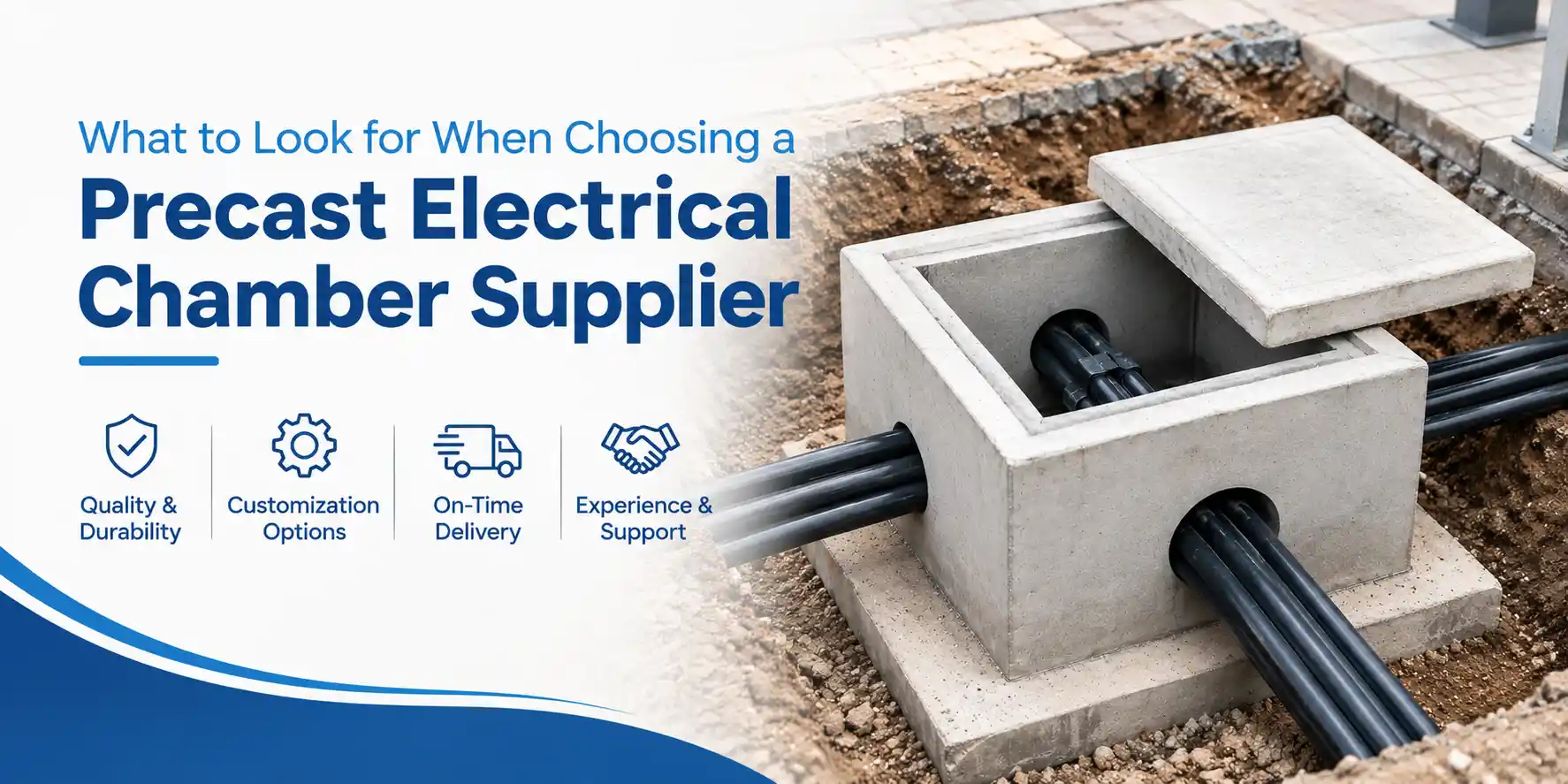
Safe underground access does not depend on one component alone. The chamber structure, cover, frame and internal access arrangement all need to work together.
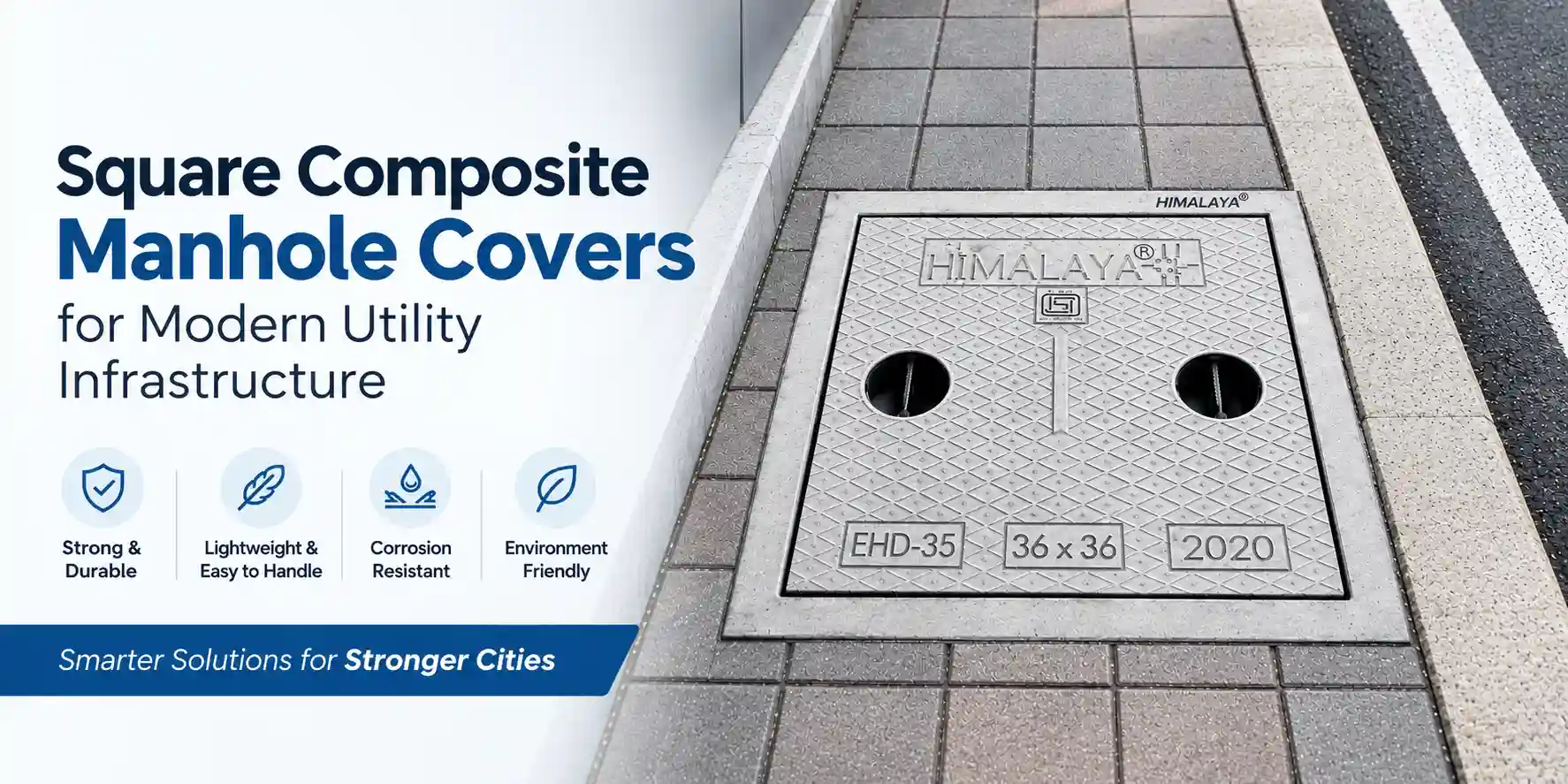
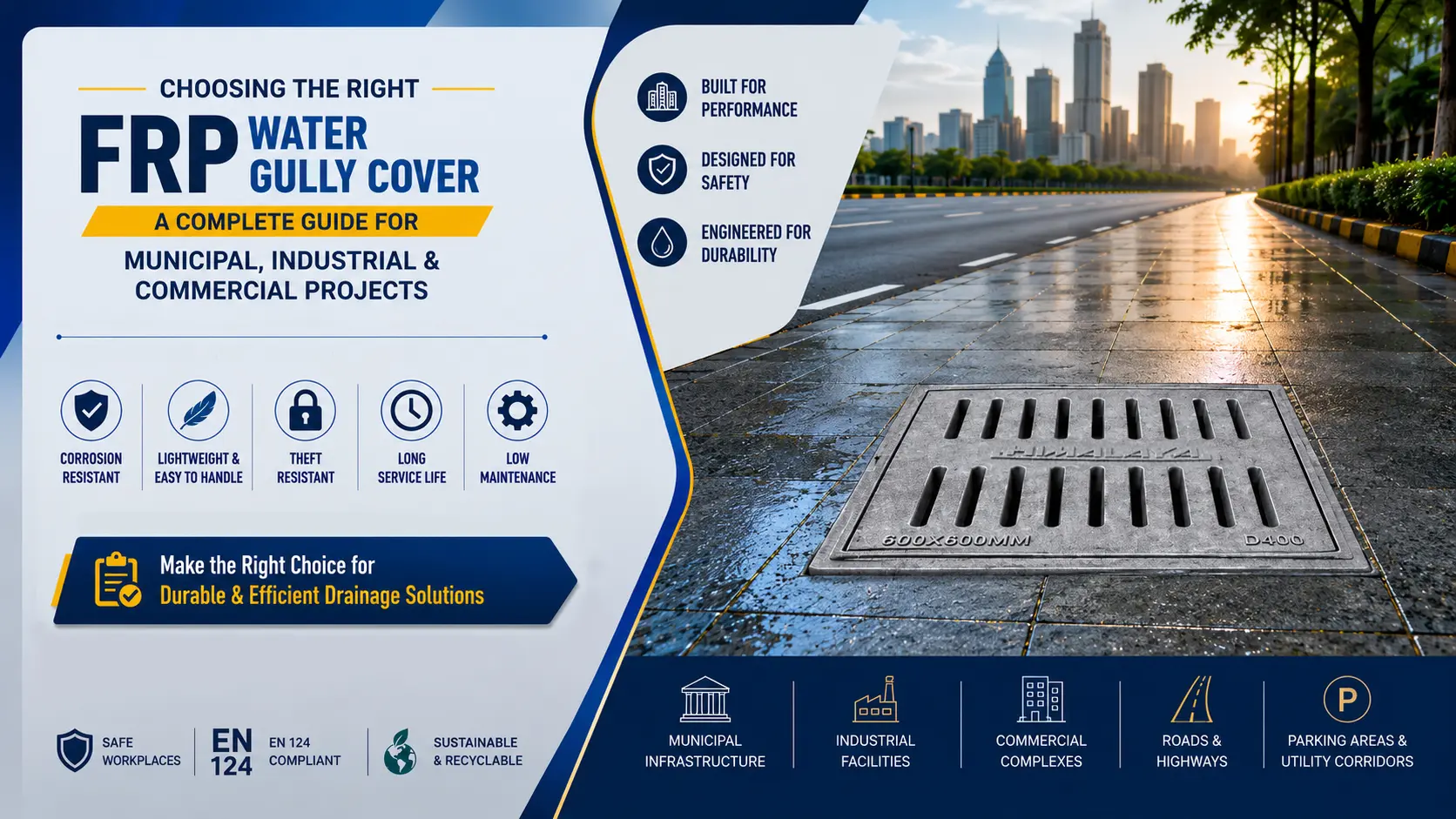
For example, the access opening at ground level needs an appropriate cover selected according to dimensions, location, and expected loading conditions. For a deeper chamber, suitable internal steps may then be required for entry.
If your project also involves drainage access covers, our guide on Choosing the Right Concrete Manhole Cover for Roads and Drainage explains the factors to consider when selecting covers for different infrastructure environments.
Why Manufacturing Quality Matters
Footsteps installed permanently inside underground chambers need consistent dimensions and material construction. Buyers should therefore evaluate the product specification and manufacturer rather than making decisions only on initial cost.
Himalaya Composites & Precast Pvt. Ltd. has been manufacturing infrastructure products since 2004 and has supplied products for more than 5,000 infrastructure projects across 25+ cities.
Its broader infrastructure portfolio includes FRP/GRP and precast RCC products for drainage, utility, municipal and industrial applications. The company also operates with an ISO 9001:2015 certified quality management system.
For project teams requiring chamber access components, Himalaya’s PVC Footsteps are available with multiple steel rod options and a fully encapsulated, grooved design.
Conclusion
Reliable underground chamber access requires careful consideration of material construction, corrosion exposure, surface grip, dimensions and installation requirements.
A PVC Footstep with a steel core, full PVC encapsulation, and grooved anti-slip surface provides an access solution for suitable sewerage, drainage, stormwater, utility and inspection chambers. However, the appropriate configuration and installation should always follow the project’s engineering requirements.
Himalaya Composites & Precast Pvt. Ltd. provides PVC footsteps in defined dimensions with multiple steel rod options for infrastructure applications. Contact Himalaya with your chamber and project requirements to discuss a suitable access solution.
Frequently Asked Questions
What is a PVC footstep used for?
It is used as a fixed stepping point inside suitable manholes and underground chambers, helping provide access for inspection and maintenance. Applications include sewerage, drainage, stormwater, utility and inspection chambers.
What is inside Himalaya’s PVC footsteps?
Himalaya’s footsteps use a steel core covered with high-density PVC. The steel is fully encapsulated to protect it from direct exposure to the surrounding environment.
What size are the footsteps?
The product size is 265 × 165 × 25 mm, with a projection of 150 mm.
What steel rod sizes are available?
Himalaya provides 8 mm, 12 mm and 16 mm steel rod options. Selection should correspond with the relevant project requirements.
Do the footsteps have an anti-slip surface?
Yes. Himalaya’s product has a grooved anti-slip surface designed to provide improved grip during chamber access.
Where can PVC footsteps be installed?
They can be used in suitable sewerage, drainage, utility and inspection chambers, stormwater infrastructure and pumping stations according to project design and installation requirements.