Industrial facilities and infrastructure projects demand flooring and access solutions that can withstand heavy usage, harsh environments, and continuous exposure to moisture and chemicals. Traditional steel gratings have been widely used for decades, but they often require frequent maintenance due to corrosion, increasing lifecycle costs and operational downtime. This is where FRP Moulded Grating has emerged as a reliable alternative. Manufactured using high-strength glass fibre reinforcement combined with premium polyester or vinyl ester resin systems, it provides exceptional durability, corrosion resistance, and long-term performance.
From chemical processing plants and wastewater treatment facilities to walkways, platforms, and marine environments, FRP moulded gratings are helping industries improve safety while reducing maintenance costs. In this guide, we’ll explore what makes FRP moulded grating a smart investment, its key benefits, common applications, and how to choose the right solution for your project.
What Is FRP Moulded Grating?
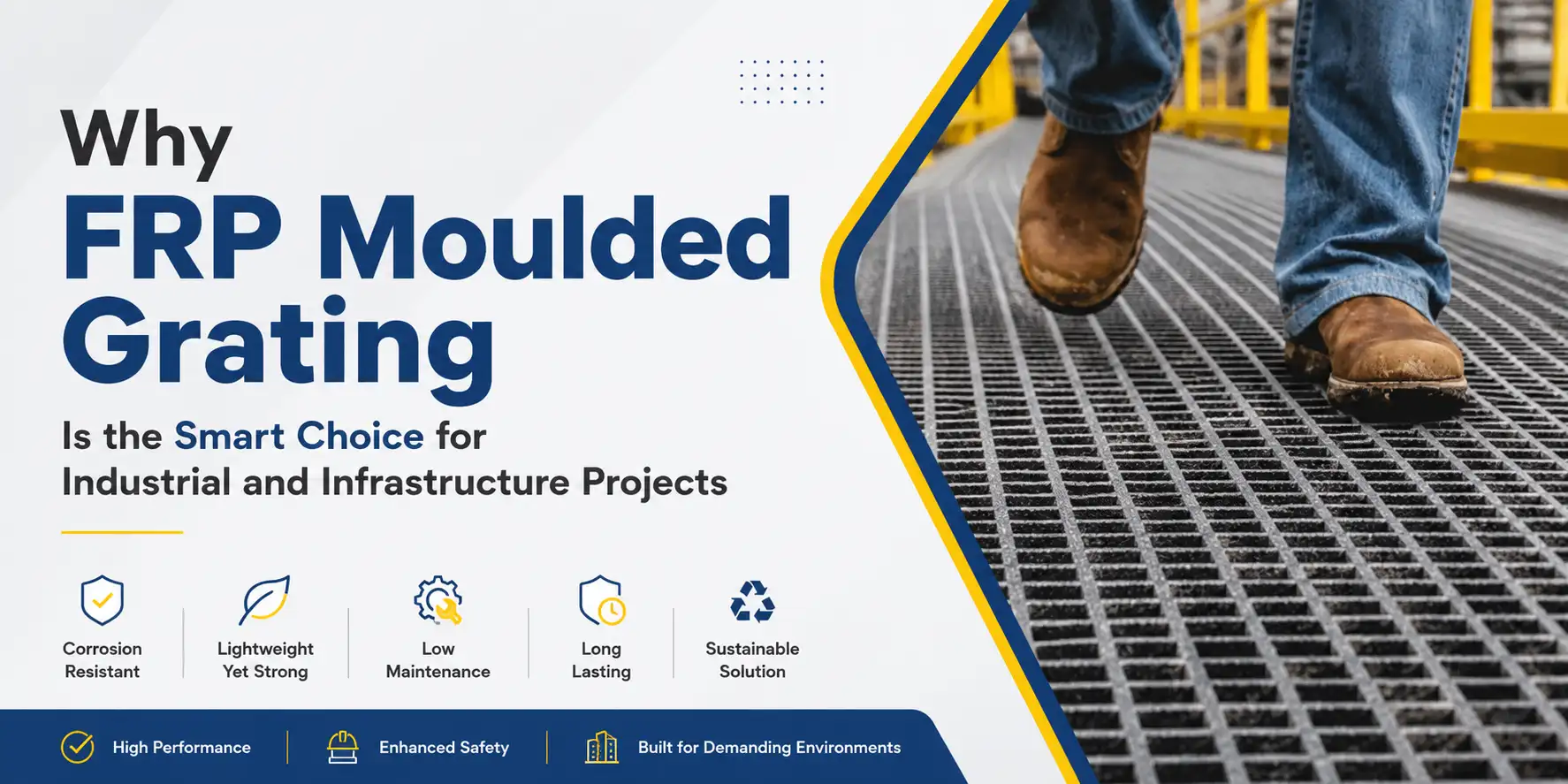
FRP Moulded Grating is a composite grating manufactured by combining continuous glass fibre reinforcement with high-quality polyester or vinyl ester resin in a one-piece moulded construction. This manufacturing process creates a strong yet lightweight product capable of supporting demanding industrial applications without the disadvantages associated with traditional steel gratings.
Unlike welded steel gratings, moulded FRP gratings have an integral structure that distributes loads evenly across the panel. This eliminates weak welded joints and enhances structural reliability, particularly in corrosive environments.
Depending on project requirements, FRP moulded gratings are available in different mesh sizes, panel dimensions and thicknesses. Himalaya Composites & Precast Pvt. Ltd. manufactures FRP moulded gratings using premium materials to deliver excellent mechanical strength, long service life and reliable performance in challenging operating conditions.
Typical Technical Specifications
| Specification | Details |
| Material | FRP/GRP with Polyester or Vinyl Ester Resin |
| Mesh Sizes | 38 × 38 mm, 50 × 50 mm |
| Thickness | 25 mm, 30 mm, 38 mm, 50 mm |
| Standard Panel Size | 1220 × 3600 mm (Custom Sizes Available) |
| Colour Options | DA Grey, Yellow |
| Surface Finish | Standard or Anti-Slip Grit Top |
These specifications make FRP moulded gratings suitable for a wide range of industrial and infrastructure applications.
Why Is FRP Moulded Grating Replacing Traditional Steel Grating?
Many industries are replacing conventional steel gratings with FRP Moulded Grating because it offers superior long-term value rather than simply reducing the initial purchase cost. While steel remains a strong material, it is vulnerable to corrosion, requires regular painting or galvanising, and often becomes expensive to maintain over its service life.
Superior Corrosion Resistance
One of the biggest advantages of FRP grating is its resistance to rust, chemicals and moisture. It performs exceptionally well in aggressive environments such as chemical plants, wastewater treatment facilities and marine installations where steel may deteriorate over time.
Lightweight Yet Strong
FRP moulded grating weighs significantly less than steel while maintaining excellent load-bearing performance. The reduced weight simplifies transportation, handling and installation, allowing projects to be completed more efficiently with lower labour requirements.
Improved Workplace Safety
Safety is a key priority across industrial facilities. Anti-slip surface options provide better traction in wet or oily conditions, reducing the risk of slips and falls. Additionally, FRP is non-conductive, making it suitable for areas where electrical safety is important.
Lower Maintenance Costs
Unlike steel, FRP does not require frequent painting or anti-corrosion treatments. Its resistance to environmental degradation helps minimise maintenance requirements and reduces operational interruptions.
Longer Service Life
Thanks to its composite construction and resistance to harsh environmental conditions, FRP moulded grating delivers reliable performance for many years, making it a cost-effective investment over the product’s lifecycle.
Key Benefits of FRP Moulded Grating
Choosing the right flooring and access system can significantly improve the safety, efficiency and durability of an industrial facility. FRP Moulded Grating offers several advantages that make it a preferred solution for engineers, contractors and infrastructure developers.
Excellent Corrosion Resistance
Unlike conventional steel gratings, FRP is resistant to corrosion caused by moisture, chemicals, saltwater and industrial pollutants. This makes it ideal for environments where metal products deteriorate rapidly.
High Strength-to-Weight Ratio
Although lightweight, FRP moulded gratings provide excellent structural performance and are designed to withstand demanding operating conditions without compromising strength.
Enhanced Safety
Available with anti-slip grit surfaces, FRP gratings improve pedestrian safety while also offering non-conductive and non-sparking properties, making them suitable for electrical and hazardous environments.
Easy Installation
The lightweight construction enables easier handling, cutting and installation, reducing equipment requirements and labour costs compared to heavier steel alternatives.
Low Maintenance
FRP requires minimal maintenance throughout its service life, helping organisations reduce long-term operational costs while improving reliability.
Design Flexibility
Available in different mesh sizes, panel dimensions and thicknesses, FRP moulded gratings can be customised to meet the requirements of industrial flooring, walkways, platforms and drainage systems.
Where Is FRP Moulded Grating Commonly Used?
The versatility of FRP Moulded Grating makes it suitable for a wide range of industrial, commercial and infrastructure applications. Its corrosion resistance, lightweight construction and anti-slip properties allow it to perform reliably in environments where traditional steel gratings may require frequent maintenance or replacement.
Chemical Processing Plants
Chemical facilities often expose flooring systems to acids, alkalis and other corrosive substances. FRP moulded gratings provide excellent chemical resistance, helping maintain structural integrity while reducing maintenance costs.
Wastewater Treatment Plants
Water treatment and sewage facilities operate in constantly wet and corrosive conditions. FRP gratings resist moisture, hydrogen sulphide (H₂S) and chemical exposure, making them ideal for walkways, operating platforms and access areas.
Oil and Gas Facilities
Offshore platforms, refineries and processing plants require durable flooring solutions that can withstand demanding operating environments. The lightweight yet strong construction of FRP moulded gratings simplifies installation while providing long-term performance.
Marine Infrastructure
Docks, piers, harbours and coastal installations are continuously exposed to saltwater and humidity. Unlike steel, FRP does not rust, making it an excellent choice for marine applications.
Industrial Walkways and Platforms
Many manufacturing plants use FRP Walkway Grating to improve worker safety. Anti-slip surfaces help reduce the risk of slips and falls, while the non-conductive properties provide additional protection in electrical environments.
Food Processing Facilities
Hygiene is essential in food processing plants. FRP gratings are resistant to moisture and chemicals, making cleaning easier while supporting hygienic working conditions.
Utility and Infrastructure Projects
FRP moulded gratings are also widely used for cable ducts, drainage channels, inspection platforms, stair treads and mezzanine floors across municipal and industrial infrastructure projects.
FRP Moulded Grating vs Steel Grating
Selecting the right grating material depends on the operating environment, maintenance expectations and lifecycle costs. The table below highlights the key differences between FRP Moulded Grating and traditional steel grating.
| Feature | FRP Moulded Grating | Steel Grating |
| Corrosion Resistance | Excellent | Prone to rust without protection |
| Weight | Lightweight | Heavy |
| Chemical Resistance | Excellent | Moderate |
| Electrical Conductivity | Non-conductive | Conductive |
| Anti-Slip Options | Available with grit surface | Additional treatment often required |
| Installation | Easy and faster | Requires heavier lifting equipment |
| Maintenance | Low | Higher due to painting and corrosion protection |
| Theft Risk | Low (non-metallic) | Higher because of scrap value |
| Service Life | Long | Depends on environmental conditions |
| Lifetime Cost | Lower in corrosive environments | Higher due to ongoing maintenance |
Although steel gratings remain suitable for some applications, FRP Moulded Grating offers a more cost-effective solution where corrosion resistance, worker safety and reduced maintenance are priorities.
How to Choose the Right FRP Moulded Grating
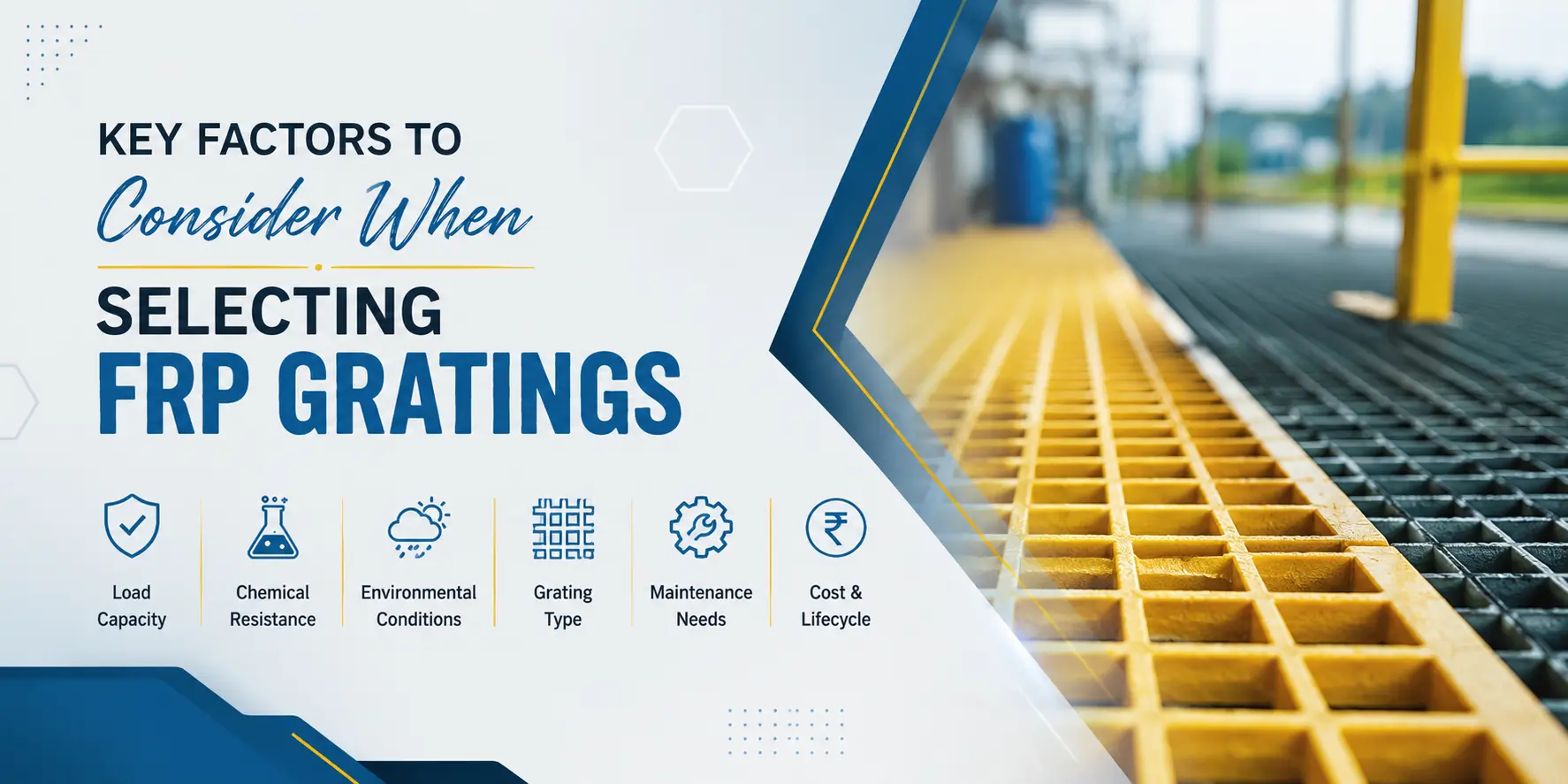
Choosing the right grating ensures safe operation and long-term performance. Before making a purchase, consider the following factors.
Evaluate Load Requirements
Different applications require different load-bearing capacities. Walkways, operating platforms and heavy industrial areas should be designed using the appropriate panel thickness and mesh configuration.
Select the Right Resin System
Polyester resin performs well for many industrial environments, while vinyl ester resin provides enhanced resistance in highly corrosive chemical applications.
Choose the Appropriate Mesh Size
Mesh size affects drainage, airflow and load distribution. Selecting the correct mesh configuration improves both safety and functionality.
Consider Surface Finish
In wet or hazardous environments, Anti-Slip FRP Grating with a grit surface offers improved traction and enhances workplace safety.
Check Environmental Conditions
Consider exposure to chemicals, moisture, UV radiation and heavy traffic before selecting the grating specification.
Partner with a Trusted Manufacturer
Working with an experienced FRP Grating Manufacturer ensures consistent product quality, reliable technical support and customised solutions for project-specific requirements.
Why Choose Himalaya Composites & Precast Pvt. Ltd.?
Established in 2004, Himalaya Composites & Precast Pvt. Ltd. has become one of India’s trusted manufacturers of FRP and precast infrastructure products. The company combines advanced manufacturing technology with strict quality control processes to deliver products that meet the demands of modern infrastructure projects.
Key strengths include:
- Over 22 years of manufacturing experience
- More than 5,000 infrastructure projects successfully supplied
- Presence across 25+ cities in India
- 1,99,000+ sq. ft. manufacturing facility
- Production capacity of 800+ sets per day
- ISO 9001:2015 Certified Quality Management System
- Custom sizes and project-specific solutions
- Reliable Pan-India supply and delivery schedules
- Trusted by organisations including Reliance, Adani, L&T, Tata Projects, Afcons and leading municipal authorities
With a focus on quality, durability and innovation, Himalaya continues to provide reliable FRP solutions for industrial, municipal and infrastructure developments nationwide.
Conclusion
As industries continue to prioritise safety, durability and long-term cost efficiency, FRP Moulded Grating has become a preferred alternative to traditional steel grating. Its corrosion resistance, lightweight construction, anti-slip surface and low maintenance requirements make it suitable for demanding environments such as chemical plants, wastewater treatment facilities, marine infrastructure and industrial walkways.
Whether you require standard panels or customised solutions, choosing a trusted manufacturer is essential to achieving long-term performance and project reliability. Himalaya Composites & Precast Pvt. Ltd. offers high-quality FRP moulded gratings designed to meet the needs of modern infrastructure projects across India.
Continue Exploring FRP Infrastructure Solutions
Expand your knowledge with these related resources:
- Why FRP Double Seal Manhole Covers Are Essential for Modern Infrastructure
- How to Choose the Right FRP Manhole Cover Manufacturer in India for Infrastructure Projects
Frequently Asked Questions
1. What is FRP Grating?
FRP Grating is a composite flooring solution manufactured using glass fibre reinforcement and resin. It is widely used in industrial facilities because of its corrosion resistance, lightweight construction, and long service life.
2. Where is Industrial FRP Grating commonly used?
Industrial FRP Grating is commonly installed in chemical plants, wastewater treatment facilities, oil and gas installations, food processing units, marine infrastructure, walkways, and operating platforms.
3. How does GRP Moulded Grating compare with steel grating?
GRP Moulded Grating is lighter, corrosion-resistant, and requires significantly less maintenance than steel grating, making it suitable for harsh industrial environments.
4. Why is Corrosion Resistant Grating important in industrial facilities?
Corrosion-Resistant Grating helps maintain structural performance in environments exposed to chemicals, moisture, and saltwater while reducing maintenance and replacement costs.
5. How do I choose a reliable FRP Grating Manufacturer?
Look for a manufacturer with proven industry experience, recognised quality certifications, custom manufacturing capabilities, technical expertise and a strong track record of supplying infrastructure projects.
6. Is Anti-Slip FRP Grating suitable for outdoor applications?
Yes. Anti-Slip FRP Grating is designed to provide improved traction in wet environments, making it suitable for outdoor walkways, platforms, drainage systems, and industrial access areas.