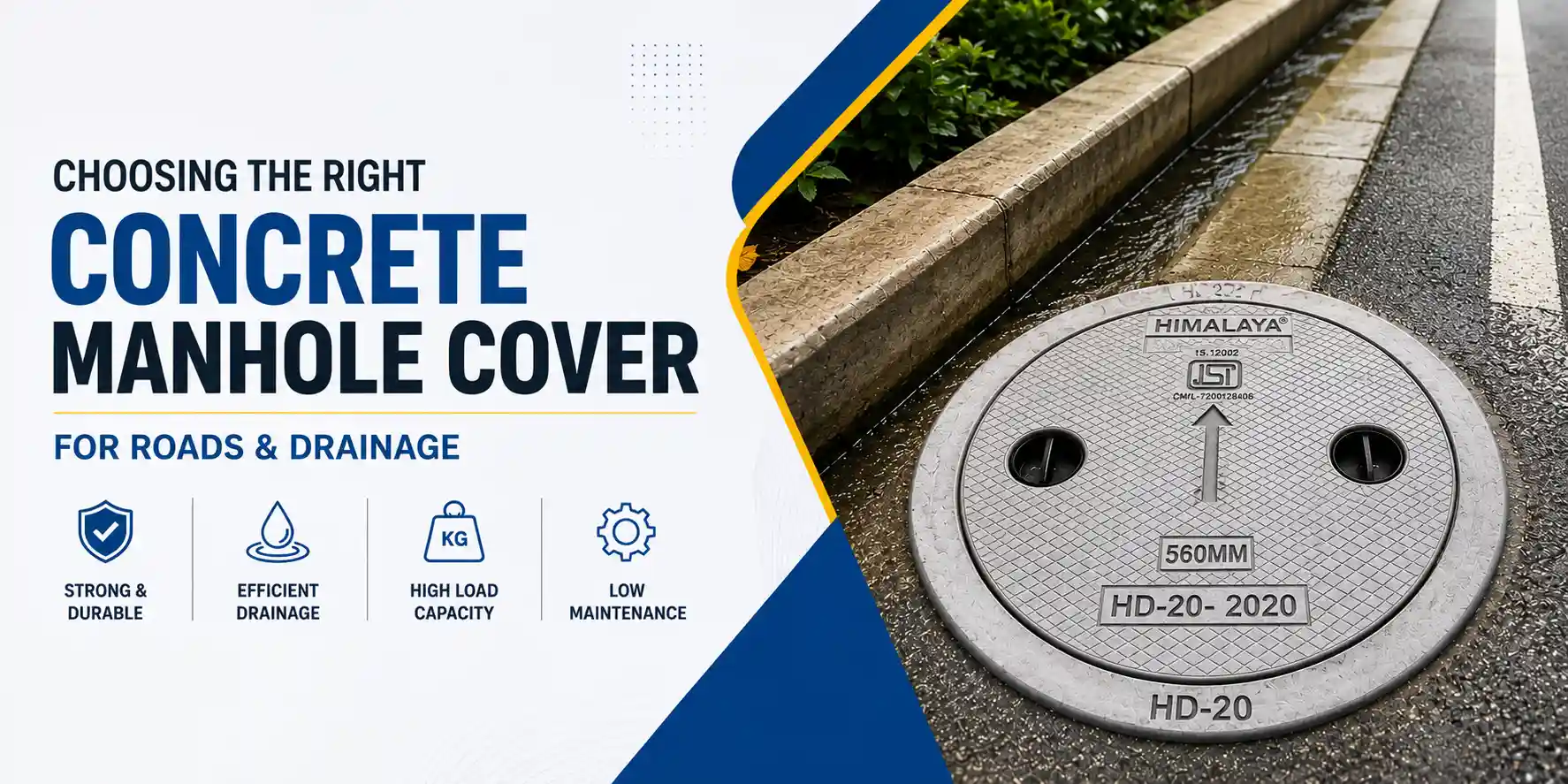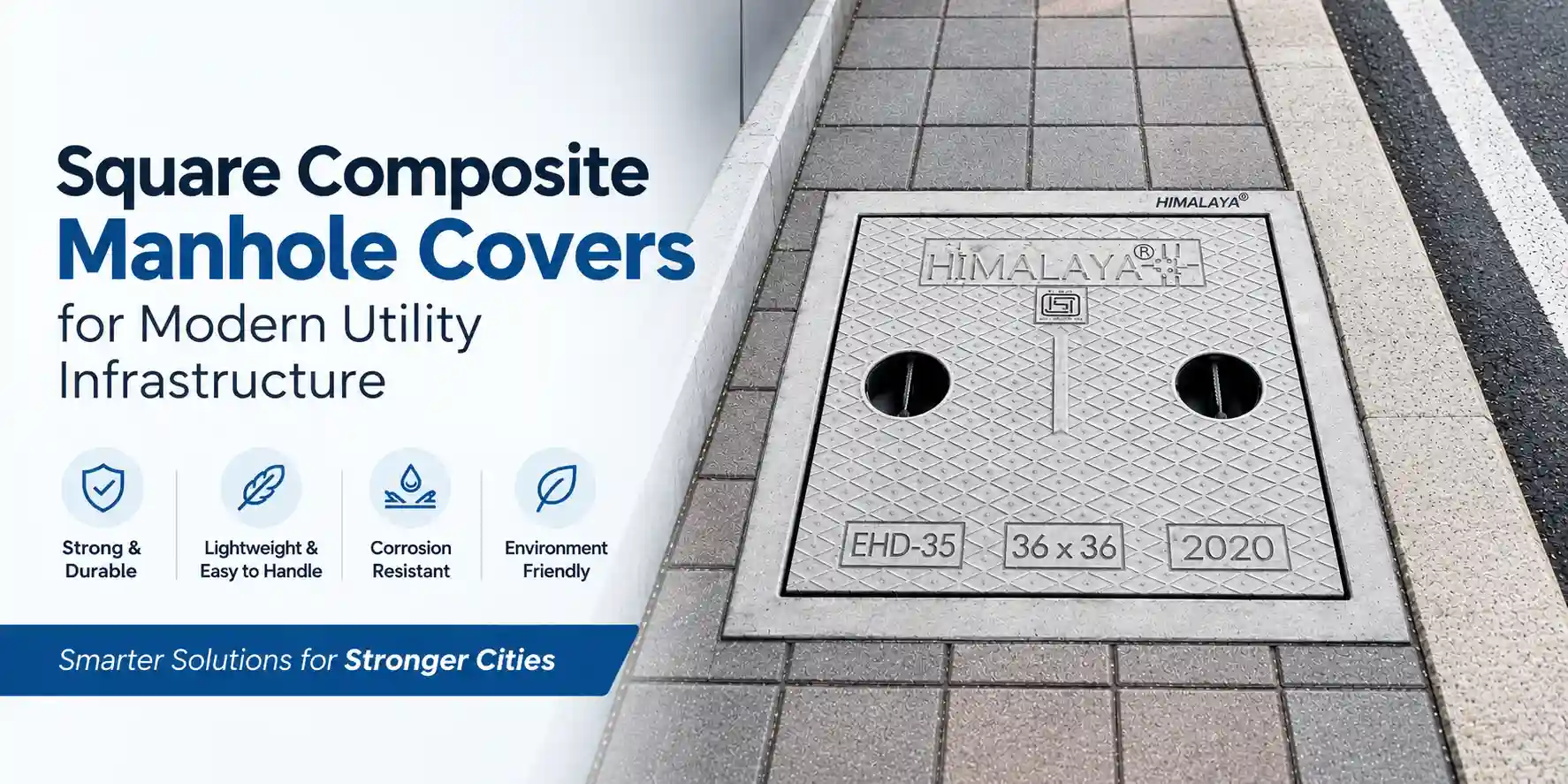
Rainwater accumulation is a common challenge in areas with paved surfaces, roads, parking facilities, and developed infrastructure. Without suitable collection points, surface runoff can collect in low-lying areas and affect the surrounding environment. Drainage infrastructure helps manage this water by directing it towards designated collection and disposal networks.
Catchpits are among the structures used for this purpose. Installed at suitable locations, they receive surface water and connect it to the wider drainage arrangement. A cover fitted over the chamber forms an important part of this installation, helping protect the opening while allowing water to enter when the design includes suitable drainage openings.
Choosing an appropriate catch pit cover requires attention to its construction, design, installation location and intended application. This guide explains the role of catch pit covers and the factors that infrastructure professionals should consider before selecting one.
What Is a Catch Pit Covers?
A catchpit cover is a protective component installed over a catchpit, which is a chamber used to collect surface water. These chambers are commonly incorporated into drainage arrangements around roads, footpaths, parking areas and other paved locations.
The cover serves two important purposes. It provides a covering over the chamber opening and, depending on its design, allows surface water to enter the collection structure.
Some covers are designed with openings or perforations to facilitate water entry. The choice of design depends on the drainage arrangement, installation conditions, and the requirements of the project.
How Does a Catch Pit Covers Work?
A catch pit cover forms the upper access and collection point of an underground drainage chamber. Its design determines how surface water enters the structure.
The general process involves the following stages:
- Surface runoff: Rainwater flows across roads, paved areas, or other surfaces.
- Water collection: The runoff moves towards a designated drainage collection point.
- Entry through the cover: Water passes through the openings in a perforated cover.
- Collection inside the chamber: The catch pit receives the incoming water. Depending on its construction, sediment and heavier debris may settle within the chamber.
- Connection to drainage infrastructure: Water moves through the connected outlet towards the designated drainage network.
The actual flow arrangement depends on the chamber design, outlet configuration, and overall drainage plan.
Different Designs of Catch Pit Covers
Catch pit covers can be selected according to how the chamber is intended to receive water and the conditions at the installation site. Two broad design considerations are whether the cover has openings and how it is constructed.
1. Perforated Catch Pit Covers
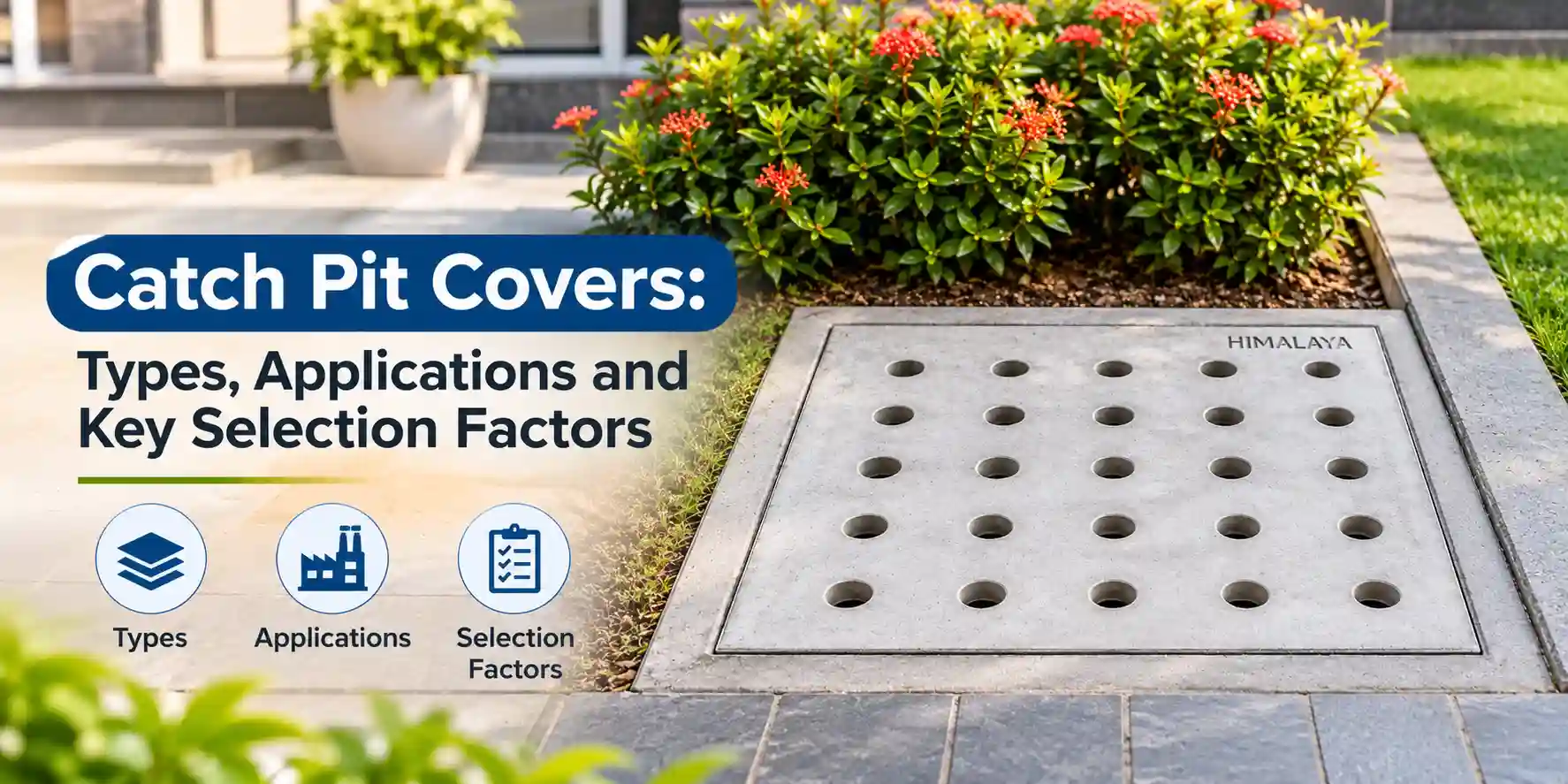
Perforated covers have openings across their surface to allow water to pass into the chamber below. They are suitable for applications where surface runoff needs to enter a collection chamber through the top.
Their design and opening arrangement should be considered in relation to the expected water flow, the surrounding surface, and the possibility of debris entering the chamber.
Concrete perforated covers are one option for projects that require a concrete-based covering with water-entry openings.
2. Solid Catch Pit Covers
Solid covers do not have the same water-entry openings as perforated designs. Their suitability depends on the chamber’s intended function and how water is collected through the surrounding drainage arrangement.
They should not be treated as interchangeable with perforated covers. The project design must establish whether water is expected to enter through the cover or through another inlet.
3. Covers Based on Material and Construction
Catch pit covers may also be evaluated according to their material and construction. Concrete-based designs are considered in infrastructure projects where a concrete cover is specified.
When comparing products, buyers should examine the concrete grade, reinforcement details, dimensions, construction quality, and relevant technical documentation. The material should be assessed in relation to the intended application rather than selected on appearance alone.
Common Applications of Catch Pit Covers
Catch pit covers are used in different types of infrastructure where surface water needs to be collected through dedicated chambers.
Roadside Drainage
Roadside drainage arrangements collect rainwater flowing along paved road surfaces. Catch pits may be positioned at designated collection points, with suitable covers allowing runoff to enter the chamber.
Parking Areas
Parking facilities contain paved surfaces where rainwater can accumulate during heavy rainfall. Catch pits can form part of the drainage layout, helping collect runoff from designated sections of the site.
Footpaths and Pedestrian Areas
Footpaths and paved pedestrian zones also require suitable arrangements for managing surface water. Catch pit installations may be included where the site layout and drainage design require localised water collection.
Residential and Commercial Developments
Residential complexes, commercial properties and other developed sites often incorporate drainage chambers to manage rainwater from paved areas. The cover selected for each chamber should match its intended position and the project’s requirements.
Municipal Infrastructure
Municipal drainage networks use different collection structures to manage rainwater across public spaces. Catch pits can be included at appropriate points in these networks, depending on the local drainage design.
Why Are Perforated Catch Pit Covers Used?
A perforated design allows surface water to enter a catch pit through openings in the cover. This makes it relevant to drainage arrangements where the chamber functions as a collection point.
The main considerations include:
- Water entry: Openings provide a route for surface runoff to reach the chamber.
- Collection arrangement: The cover forms part of the overall system used to direct rainwater towards an underground collection point.
- Surface compatibility: The cover must be suitable for the surrounding installation area and chamber arrangement.
- Construction requirements: The material, dimensions, and structural design should match the intended application.
For projects requiring a concrete perforated solution, Himalaya Composites & Precast Pvt. Ltd. offers a Catchpit Perforated Manhole Cover designed for stormwater collection and surface drainage applications.
Important Factors to Consider When Selecting a Catch Pit Cover
Selecting a cover involves more than identifying the correct product category. Its design and specifications should be compatible with the chamber and the surrounding environment.
1. Understand the Intended Application
Start by identifying where the cover will be installed. A catch pit located beside a road may have different requirements from one positioned in a landscaped area or pedestrian zone.
The expected use and surrounding conditions should guide the product selection.
2. Check the Cover Dimensions
The dimensions of the cover must correspond with the chamber opening. Buyers should review the required size, seating arrangement, and compatibility with the supporting structure before ordering.
Incorrect dimensions can create installation difficulties and affect how the cover fits into the chamber.
3. Evaluate the Opening Design
For applications involving surface water collection through the cover, examine the number, size, and arrangement of the openings.
The opening design should be appropriate for the expected water entry and the surrounding conditions. Buyers should also consider whether the openings could allow unwanted debris to enter the chamber.
4. Review Material and Construction
Material selection should take into account the installation environment and the intended use of the cover.
For reinforced concrete products, review the concrete grade, reinforcement details, manufacturing specifications, and available product documentation.
5. Consider the Installation Location
The cover should be suitable for the surface and conditions at its installation point. Factors such as pedestrian movement, vehicle movement and the supporting chamber arrangement should be considered during specification.
6. Verify Technical Documentation
Before finalising a purchase, request the technical details for the particular product. Check its dimensions, material, construction details, and applicable test or compliance documentation.
Where a project specifies particular requirements, confirm that the supplied product documents address those requirements.
7. Select a Manufacturer with Relevant Experience
A manufacturer should be able to provide clear product specifications and information relevant to the intended application.
Buyers can assess the manufacturer’s product range, manufacturing capabilities, quality processes, and ability to address project-specific requirements before making a decision.
Installation and Maintenance Considerations
Even a suitable catch pit cover needs to be installed correctly and inspected as part of the wider drainage maintenance process.
Correct Seating and Positioning
The cover should sit correctly within the designated chamber opening. Contractors should check the supporting surface, alignment, and seating arrangement before completing the installation.
Keep Drainage Openings Clear
Leaves, plastic waste, soil, and other debris can accumulate around drainage openings. Periodic cleaning helps maintain the intended water-entry route.
Inspect the Cover Condition
Inspection should include checking for visible cracks, damage, displacement, or other signs of deterioration. Any issue should be assessed according to the product specifications and site maintenance procedure.
Maintain the Catch Pit Chamber
The chamber itself may collect sediment and debris over time. Its condition and outlet arrangement should be checked as part of routine drainage maintenance.
The frequency of cleaning and inspection should be based on site conditions, drainage performance, and the maintenance plan.
Common Mistakes to Avoid When Choosing Catch Pit Covers
A few selection mistakes can create unnecessary complications during installation and operation.
- Choosing without checking dimensions: A cover must match the chamber opening and supporting arrangement.
- Ignoring the drainage function: Perforated and solid designs serve different purposes and should be selected according to the system layout.
- Overlooking material specifications: Buyers should review construction details rather than relying only on the product’s appearance.
- Not considering the installation location: The intended use of the surrounding area should be considered before specifying the cover.
- Ignoring maintenance requirements: Drainage openings and collection chambers need periodic inspection and cleaning.
- Skipping technical documentation: Product specifications should be checked against the requirements of the project.
Conclusion
Catch pit covers form an important part of drainage infrastructure by providing a covering over collection chambers and, in perforated designs, allowing surface water to enter. Their suitability depends on several factors, including material, dimensions, opening arrangement, installation location, and the requirements of the drainage system.
Before selecting a cover, infrastructure professionals should assess the intended application and verify that the product specifications match the chamber design. Careful evaluation can help avoid compatibility issues and support the effective operation and maintenance of drainage installations.
For projects requiring a reinforced concrete perforated solution, explore Himalaya Composites & Precast Pvt. Ltd.’s Catchpit Perforated Manhole Cover and review its specifications for your application.
Frequently Asked Questions
1. What is a catch pit cover used for?
A catch pit cover is installed over a chamber designed to collect surface water. Depending on its design, it protects the chamber opening and allows rainwater to enter through designated openings.
2. What is the difference between a catch pit cover and a regular manhole cover?
A catch pit cover is generally selected for a chamber that collects surface runoff, often through openings in the cover. A regular manhole cover is primarily intended to cover an access opening. Their functions and designs can differ according to the application.
3. What is a perforated catch pit cover?
A perforated catch pit cover has openings that allow surface water to pass into the chamber below. It is used where the drainage arrangement requires water to enter through the top of the collection structure.
4. Where are catch pit covers commonly installed?
They may be used in roadside drainage systems, parking areas, footpaths, municipal infrastructure and residential or commercial developments where catch pits form part of the drainage layout.
5. What should I check before purchasing a catch pit cover?
Review the dimensions, material, construction, opening design, installation requirements and relevant technical documentation. The selected cover should be compatible with the chamber and the intended application.
6. How should catch pit covers be maintained?
Inspect the cover for visible damage or displacement and keep its drainage openings clear of accumulated debris. The catch pit chamber and connected drainage outlet should also be checked periodically.
7. Are concrete catch pit covers suitable for drainage applications?
Concrete catch pit covers can be considered for drainage projects when their construction, dimensions, and specifications are appropriate for the intended application. Buyers should verify the product details before selection.